Why Is My Cat Not Using the Litter Box? Common Reasons and Fixes
- Sarah Villa

- Jun 24
- 5 min read
If your cat suddenly stops using the litter box, it can be frustrating and confusing. You might wonder why your cat is peeing outside the box or showing other cat bathroom problems. The good news is that most litter box problems have clear reasons and practical solutions. Understanding these causes will help you fix the issue and keep your home clean and your cat happy.

What Are the Most Common Reasons Cats Avoid the Litter Box?
Cats are usually very clean animals, so when they stop using the litter box, something is wrong. Here are the most common reasons:
Dirty litter box: Cats dislike dirty boxes and may avoid them if they are not cleaned regularly.
Stress or anxiety: Changes in the home, new pets, or loud noises can stress cats and cause litter box issues.
Box location: If the box is in a noisy, busy, or hard-to-reach place, your cat might avoid it.
Type of litter: Cats can be picky about the litter texture or scent.
Box size and style: A box that is too small or has high sides can be uncomfortable.
Medical problems: Urinary tract infections, kidney disease, or arthritis can cause cats to avoid the box.
Routine changes: Moving house, changing litter brands, or altering feeding times can disrupt your cat’s habits.
How Does a Dirty Litter Box Affect Your Cat’s Behavior?
Cats have a strong sense of smell and prefer a clean bathroom area. If the litter box is dirty, your cat may:
Look for cleaner spots around the house
Pee or poop outside the box
Show signs of stress or irritation
Cleaning checklist:
Scoop waste daily
Change litter completely once a week
Wash the box with mild soap and water regularly
Use unscented, dust-free litter to avoid irritation
Keeping the box clean is the first step to solving many cat litter box issues.
Can Stress Cause Cat Peeing Outside the Box?
Yes, stress is a major cause of cat bathroom problems. Cats are sensitive to changes in their environment. Stress triggers include:
New pets or family members
Loud noises like construction or fireworks
Changes in routine or furniture
Conflicts with other cats
Stress can cause your cat to urinate outside the litter box as a way to mark territory or express discomfort.
How to reduce stress:
Provide safe, quiet spaces for your cat
Use pheromone diffusers designed for cats
Maintain a consistent feeding and play schedule
Spend quality time with your cat to build trust
Does the Location of the Litter Box Matter?
Yes, the litter box location plays a big role in your cat’s willingness to use it. Avoid placing the box:
Near loud appliances like washing machines or heaters
In busy areas with lots of foot traffic
In places that are hard to access, such as behind furniture or in basements
Cats prefer privacy and quiet when they use the litter box. A calm, low-traffic spot is ideal.
How Does the Type of Litter Affect Cat Bathroom Problems?
Cats can be very particular about the litter texture and smell. Some cats dislike:
Strongly scented litters
Clumping litters with large granules
Litters that are dusty or sticky
Try different types of litter to find what your cat prefers. Unscented, fine-grain clumping litter is often a good choice.
Is the Size and Style of the Litter Box Important?
Yes, the size and style can cause cat litter box issues. A box that is too small or has high sides can be uncomfortable, especially for older or larger cats.
Tips for choosing the right box:
Pick a box large enough for your cat to turn around easily
Consider a box with lower sides for easy access
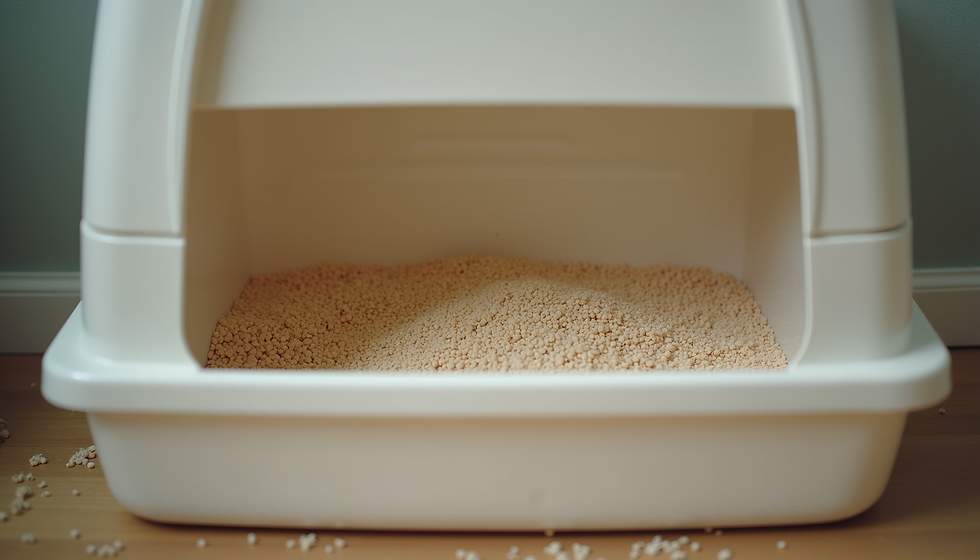
Covered boxes can trap odors but some cats dislike them
Could Medical Issues Cause Your Cat to Avoid the Litter Box?
Medical problems are a common cause of cat peeing outside the box. Conditions like urinary tract infections, bladder stones, kidney disease, or arthritis can make using the box painful or difficult.
If your cat suddenly stops using the litter box or shows signs like:
Straining to urinate
Blood in urine
Frequent attempts to urinate with little output
Excessive licking of the genital area
You should contact your vet immediately. Early diagnosis and treatment can prevent serious complications.

How Do Routine Changes Affect Your Cat’s Bathroom Habits?
Cats thrive on routine. Changes like moving to a new home, switching litter brands, or altering feeding times can disrupt their habits and cause litter box problems.
To help your cat adjust:
Introduce changes gradually
Keep the litter box in the same spot if possible
Maintain feeding and play schedules
Provide extra attention and reassurance
When Should You Call a Vet About Cat Bathroom Problems?
Call your vet if your cat:
Stops using the litter box suddenly without an obvious cause
Shows signs of pain or discomfort when urinating or defecating
Has blood in urine or stool
Urinates very frequently or not at all
Exhibits other unusual behaviors like lethargy or loss of appetite
Medical issues need prompt attention to avoid serious health risks.
Checklist to Fix Cat Litter Box Issues
Keep the litter box clean by scooping daily and washing weekly
Place the box in a quiet, accessible location
Use unscented, fine-grain litter your cat prefers
Choose a box large enough and easy to enter
Reduce stress with safe spaces and consistent routines
Monitor your cat for signs of illness
Consult your vet if problems persist or worsen
FAQs About Cat Litter Box Problems
Q: How many litter boxes should I have?
A: The rule is one box per cat plus one extra. For example, two cats need three boxes.
Q: Can changing litter brands cause problems?
A: Yes, sudden changes can confuse cats. Transition slowly by mixing old and new litter.
Q: What if my cat pees on soft surfaces like beds?
A: This may be a sign of stress or medical issues. Clean the area thoroughly and consult your vet if it continues.
Q: Are covered litter boxes better?
A: Some cats like them for privacy, but others dislike the trapped odor. Observe your cat’s preference.
Q: Can I use enzymatic cleaners for accidents?
A: Yes, enzymatic cleaners break down urine odors and discourage repeat accidents.
Soft Mention of a Helpful Product
If you want to make litter box maintenance easier, consider a self-cleaning litter box. These devices help keep the box clean automatically, reducing odors and saving you time. Many cat owners find they help solve cat litter box issues by encouraging consistent use.


Comments