What Supplies Do You Need Before Bringing a Puppy Home?
- Desiree Jaspe

- May 21
- 4 min read
Bringing a puppy home is exciting, but it also means preparing the right supplies to make your new furry friend comfortable and happy. The new puppy essentials cover everything from where your puppy will sleep to how you’ll keep them clean and entertained. Having a well-thought-out puppy starter kit helps you avoid last-minute trips to the store and ensures your puppy settles in smoothly.
This guide walks you through the must-have items on your puppy checklist. You’ll learn about beds, bowls, toys, training gear, grooming tools, and more. Plus, you’ll find practical tips to choose the best dog supplies for puppies without feeling overwhelmed.
What Kind of Bed Does Your Puppy Need?
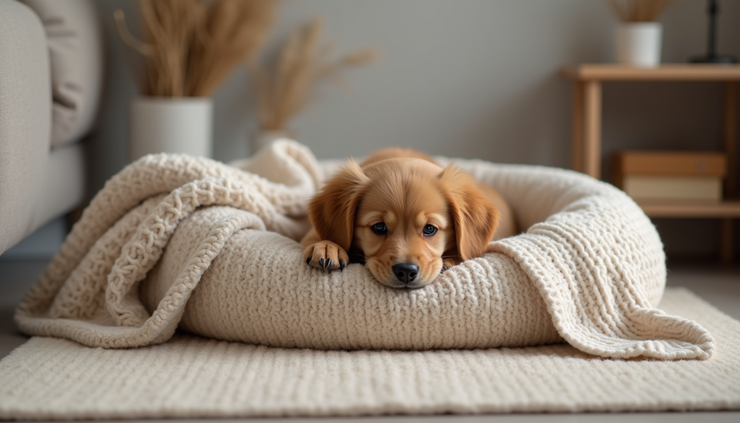
Your puppy needs a safe, comfortable place to rest. A good bed helps them feel secure and supports healthy growth. Look for beds that are:
Soft but supportive: Puppies need cushioning for their growing joints.
Easy to clean: Removable, washable covers save time.
Sized right: Big enough for your puppy to stretch but cozy enough to feel snug.
Orthopedic beds are great for larger breeds or puppies with joint concerns. For smaller breeds, a plush cushion or a crate pad works well.
Which Bowls Are Best for Puppies?
Choosing the right bowls is simple but important. Puppies need bowls that are:
Stable and non-slip: Prevent spills and messes.
Easy to clean: Stainless steel or ceramic bowls avoid bacteria buildup.
Sized appropriately: Small bowls for puppies avoid overeating and make feeding manageable.
You might want two bowls: one for food and one for water. Consider elevated bowls if your puppy has a flat face or breathing issues.
What Chew Toys Should You Get?
Chew toys keep puppies entertained and help with teething discomfort. When picking chew toys:
Choose durable, non-toxic materials.
Avoid small parts that can break off and cause choking.
Offer a variety: soft rubber toys, rope toys, and treat-dispensing toys.
Rotate toys regularly to keep your puppy interested and prevent boredom.
Why Are Training Pads Important?
Training pads are essential for housebreaking your puppy, especially if you live in an apartment or have limited outdoor access. They help:
Teach your puppy where to go potty.
Protect floors from accidents.
Make cleanup easier.
Look for pads with strong absorbency and odor control. Place them in a consistent spot and reward your puppy when they use them correctly.
How Do You Choose the Right Leash and Collar?
A leash and collar are basic but critical for safety and training. When selecting these:
Pick a collar that fits snugly but comfortably; you should fit two fingers between the collar and your puppy’s neck.
Use a leash about 4 to 6 feet long for control during walks.
Consider a harness for puppies that pull or have respiratory issues.
Make sure the collar has an ID tag with your contact info.

What Crate Should You Get for Your Puppy?
Crate training helps puppies feel safe and supports house training. When choosing a crate:
Size it so your puppy can stand, turn around, and lie down comfortably.
Look for crates with good ventilation.
Consider crates with dividers to adjust size as your puppy grows.
Make the crate inviting with a soft bed and toys inside.
What Grooming Items Are Necessary?
Regular grooming keeps your puppy healthy and comfortable. Essential grooming supplies include:
A brush or comb suited to your puppy’s coat type.
Puppy-safe shampoo for baths.
Nail clippers or a grinder.
Ear cleaning solution.
Toothbrush and toothpaste designed for dogs.
Start grooming routines early to get your puppy used to being handled.
What Cleanup Supplies Should You Have?
Accidents happen, so be ready with cleanup supplies that protect your home and keep it fresh:
Enzyme-based cleaners to remove stains and odors.
Paper towels or cloths.
Disposable gloves.
Waste bags for outdoor cleanup.
Using the right cleaner prevents your puppy from returning to the same spot.
What Comfort Products Help Your Puppy Feel at Home?
Comfort products reduce stress and help your puppy adjust to their new environment. Consider:
A soft blanket or a piece of clothing with your scent.
Calming sprays or diffusers with natural ingredients like lavender.
Interactive toys that provide mental stimulation.
These items make your puppy’s transition smoother and build a strong bond.
Puppy Starter Kit Checklist
Here’s a quick checklist to make sure you have all the new puppy essentials before your puppy arrives:
Puppy bed or crate pad
Food and water bowls
Variety of chew toys
Training pads
Collar with ID tag
Leash (4 to 6 feet)
Crate with divider
Brush or comb
Puppy shampoo
Nail clippers or grinder
Ear cleaner
Dog toothbrush and toothpaste
Enzyme cleaner
Paper towels and waste bags
Comfort blanket or calming spray
Having these items ready means you’ll feel confident and prepared for your puppy’s first days at home.
Frequently Asked Questions About Puppy Supplies
How many chew toys should I have?
Start with 3 to 5 different types to see what your puppy prefers. Rotate them to keep things interesting.
Can I use adult dog bowls for my puppy?
Adult bowls might be too big. Smaller bowls help control portions and prevent messes.
Is crate training necessary?
Crate training is highly recommended. It provides a safe space and helps with housebreaking.
How often should I groom my puppy?
It depends on the breed, but generally once a week is a good start. Bathing should be less frequent, about once a month.
What if my puppy chews on furniture?
Provide plenty of chew toys and redirect your puppy when they chew on inappropriate items. Consistency is key.

Comments