How to Choose the Best Cat Litter for Odor, Dust, and Tracking
- Sarah Villa

- Jun 10
- 4 min read
Finding the right cat litter can make a huge difference in your home’s cleanliness and your cat’s comfort. You want a litter that controls odors well, produces little dust, doesn’t track all over your floors, and suits your cat’s specific needs. This guide helps you understand the key factors to consider so you can pick the best cat litter for your furry friend and your living space.

What Types of Cat Litter Are Available?
Cat litter comes in several types, each with pros and cons. The main categories include:
Clay-based litter: Usually clumping, affordable, and widely available. It offers good odor control but can be dusty.
Silica gel litter: Made of crystals, excellent at odor control and low dust but can be pricier.
Natural/biodegradable litter: Made from materials like corn, wheat, pine, or paper. Often low dust and eco-friendly but varies in clumping and odor control.
Non-clumping litter: Absorbs moisture but doesn’t form clumps, requiring more frequent changes.
Understanding these types helps you focus on what matters most for your home and cat.
How Does Odor Control Vary Among Cat Litters?
Odor control is a top priority for many cat owners. Some litters contain additives like baking soda or activated charcoal to neutralize smells. Clumping cat litter often traps odors better because it seals waste into tight clumps, making scooping easier and more effective.
Clay clumping litter usually offers strong odor control but can be dusty.
Silica gel litter absorbs moisture and odors well without dust.
Natural litters vary; pine and walnut litters have natural deodorizing properties, while corn-based litters may need additives.
If you want the best odor control cat litter, look for products labeled specifically for odor neutralization and clumping ability.
What Should You Know About Dust Levels in Cat Litter?
Dust can cause respiratory issues for both cats and humans, especially if your cat has allergies or asthma. Low dust cat litter is essential for sensitive cats and helps keep your home cleaner.
Clay litters tend to produce more dust.
Silica gel and natural litters usually have less dust.
Some brands specifically advertise low dust cat litter, which is a good choice if dust is a concern.
Choosing a low dust cat litter improves air quality and reduces mess around the litter box.
Why Is Tracking an Important Factor?
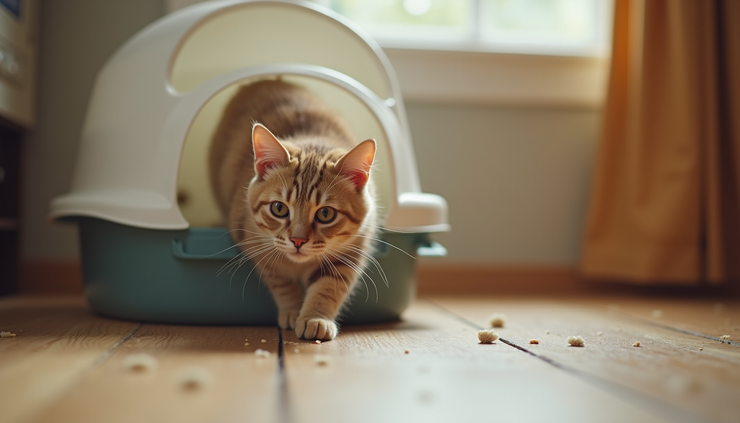
Tracking happens when litter sticks to your cat’s paws and spreads outside the box. It can create a mess and require more frequent cleaning.
Cat litter that does not track often has larger granules or heavier materials.
Clumping litters with fine particles tend to track more.
Natural litters made from pellets or crystals usually track less.
If you want to reduce tracking, try litter with larger granules or use a litter mat to catch stray particles.
How Does Clumping Affect Cleanup?
Clumping cat litter makes scooping waste easier because it forms solid clumps that can be removed without disturbing clean litter. This helps keep the box fresh longer and reduces the frequency of full litter changes.
Clumping litters save time and effort.
Non-clumping litters require complete litter replacement more often.
Some natural litters clump well, but others do not.
If you prefer a low-maintenance litter box, clumping cat litter is usually the best choice.
What Litter Works Best for Kittens?
Kittens need litter that is safe and gentle on their paws and digestive systems since they might ingest some litter while exploring.
Avoid clumping litters for very young kittens because clumps can cause digestive blockages if swallowed.
Use non-clumping, dust-free, and unscented litters.
Paper-based or natural litters are often recommended for kittens.
As kittens grow, you can gradually switch to clumping litter if desired.
Which Litter Is Suitable for Sensitive Cats?
Cats with respiratory issues or allergies need special consideration.
Choose low dust cat litter to reduce airborne particles.
Avoid scented litters, which can irritate sensitive noses.
Natural litters made from pine or paper are often gentler.
Silica gel litter is also low dust but watch for any signs of irritation.
Observe your cat’s reaction when switching litters and consult your vet if you notice coughing or sneezing.
How to Pick the Right Litter for Multi-Cat Homes?
Multi-cat households produce more waste and odors, so litter needs to be highly absorbent and control smells effectively.
Clumping cat litter with strong odor control is ideal.
Consider litter with antimicrobial properties.
Use larger litter boxes or multiple boxes to reduce crowding.
Frequent scooping is essential to maintain freshness.
A litter designed for multi-cat homes can help keep your space clean and odor-free.

Checklist for Choosing the Best Cat Litter
Odor control: Look for clumping litter with odor neutralizers.
Dust level: Choose low dust cat litter for health and cleanliness.
Tracking: Select litter with larger granules or use a litter mat.
Clumping: Prefer clumping cat litter for easier cleanup.
Kittens: Use non-clumping, dust-free, unscented litter.
Sensitive cats: Avoid scented litters and pick low dust options.
Multi-cat homes: Use highly absorbent litter with strong odor control.
Eco-friendliness: Consider biodegradable options if sustainability matters.
Frequently Asked Questions
Can I switch litter types suddenly?
Sudden changes can upset your cat. Mix the new litter with the old gradually over a week to help your cat adjust.
Is scented litter better for odor control?
Scented litters mask odors but can irritate sensitive cats. Unscented litters with good odor control are usually better.
How often should I change the litter completely?
For clumping litter, scoop daily and change the entire box every 2-3 weeks. Non-clumping litter needs more frequent full changes.
Does clumping litter cause more tracking?
Fine clumping litter can track more, but some brands offer formulas that reduce tracking.
Are natural litters as effective as clay?
Natural litters vary. Some clump and control odor well, while others may need more frequent changes.
Final Thoughts on Choosing Cat Litter
Choosing the best cat litter depends on your priorities and your cat’s needs. Focus on odor control, dust levels, and tracking to keep your home fresh and clean. Clumping cat litter often offers the best balance of odor control and easy cleanup. For kittens and sensitive cats, opt for gentle, low dust options. Multi-cat homes benefit from highly absorbent, strong odor control litter.
Try different types to see what works best for you and your cat. A good litter can improve your cat’s comfort and your home’s cleanliness, making life better for everyone.

Comments