Dog Care Checklist for Every Dog Owner What to Buy First
- Sarah Villa

- Aug 12
- 12 min read
A complete dog care checklist should cover food, water, safe shelter, ID, health care, grooming, exercise, training, enrichment, cleanup, and emergency planning. If you are starting from scratch, buy the daily-use and safety-focused dog supplies first, then add comfort and enrichment items as your routine settles.
Your dog does not need a house full of gear on day one. Your dog needs a steady routine, the right basics, and a person who notices when something changes. This guide gives you a practical, prioritized dog care checklist you can use for a new puppy, an adopted adult dog, or a dog whose care routine needs a reset.

What should be on a dog care checklist?
Your checklist should start with the things that keep your dog safe, fed, identified, healthy, and comfortable every day. After that, add items that support grooming, training, travel, play, and long-term wellness.
Use this as your core dog owner checklist.
What are the highest-priority dog care items?
Start with the basics your dog needs in the first 24 to 48 hours.
[ ] Food that matches your dog’s age, size, and health needs
[ ] Fresh water available at all times
[ ] Food and water bowls
[ ] Collar or harness with an ID tag
[ ] Leash for safe walks
[ ] Properly sized crate, bed, or safe resting area
[ ] Waste bags for walks and yard cleanup
[ ] Vet appointment scheduled
[ ] Current vaccination and medical records if available
[ ] Flea, tick, and heartworm prevention plan from your veterinarian
[ ] Safe chew toys and enrichment toys
[ ] Grooming brush suited to your dog’s coat
[ ] Nail clippers or grinder
[ ] Dog shampoo
[ ] Toothbrush and dog-safe toothpaste
[ ] Pet first-aid basics
[ ] Cleaning supplies for accidents
[ ] Training treats
[ ] Baby gates or barriers if needed
[ ] Emergency contact list
This checklist works best when you treat it as a living document. A 10-week-old puppy, a senior dog, and a high-energy working breed will not need the exact same setup.
What should you check every day?
Your daily dog care routine should be simple enough that you can repeat it without stress. Each day, check:
Food intake
Water intake
Bathroom habits
Energy level
Appetite
Skin, coat, eyes, and ears
Limping, scratching, coughing, or unusual behavior
Collar fit and ID tag
Access to safe rest
Exercise and play needs
Small changes matter. A dog who skips breakfast once may be fine. A dog who stops eating, hides, pants heavily, or seems painful needs closer attention and possibly a call to your veterinarian.
What should you handle each week?
Your weekly dog care tasks help you catch problems early and keep your home cleaner.
Brush your dog’s coat
Check ears for odor, redness, or debris
Look at teeth and gums
Check paws and nails
Wash bedding if needed
Clean bowls
Inspect toys for damage
Restock food, treats, and waste bags
Review training progress
Check flea and tick prevention timing
Set one “dog reset” day each week. It can take 20 minutes, and it prevents little tasks from piling up.
What should you buy first for a new dog?
Buy the items your dog needs for safety, feeding, potty breaks, sleep, and basic handling before bringing your dog home. You can wait on fancy extras until you know your dog’s size, chewing style, coat type, and preferences.
Which supplies belong in the first shopping trip?
Your first shopping trip should focus on function.
Buy these first:
Collar or harness
Choose a secure fit. You should usually be able to slide two fingers between the collar and your dog’s neck.
ID tag
Add your phone number. Even indoor dogs can slip out.
Leash
A standard 4 to 6 foot leash gives you safer control than a retractable leash in busy areas.
Food and water bowls
Stainless steel bowls are easy to clean and hold up well.
Dog food
If you are changing foods, transition slowly when possible to reduce stomach upset.
Crate or bed
Your dog needs a consistent place to rest.
Waste bags
Keep them by the door, in your car, and attached to the leash.
Training treats
Small, soft treats make reward-based training easier.
Chew toys
Pick durable toys that match your dog’s size and chewing strength.
10. Cleaning supplies
Accidents happen, especially during transitions.
If you want to save time, browsing a well-organized dog supplies category on PetstoreForYou.com can help you compare the basics in one place instead of guessing across several stores.
What can wait until later?
Some items are helpful, but not urgent on day one.
You can usually wait on:
Seasonal jackets or boots
Multiple beds
Extra bowls for travel
Puzzle toys
Long lines for training
Car seat covers
Special grooming tools
Slow feeders unless your dog gulps food
Advanced training gear
The goal is to avoid buying based on what looks cute before you know what your dog will actually use.

How do you build a safe feeding and water routine?
Feed your dog on a predictable schedule, offer fresh water daily, and choose food based on life stage, body condition, and veterinary guidance. Food is one of the biggest parts of care, but it does not need to be complicated.
How often should you feed your dog?
Many adult dogs do well with two meals a day. Puppies often need more frequent meals because they are growing and have smaller stomachs. Senior dogs may need adjustments based on health, dental comfort, and appetite.
Use the feeding guide on the food package as a starting point, not a strict rule. Your dog’s ideal amount depends on:
Age
Weight
Breed and body type
Activity level
Spay or neuter status
Health conditions
Treat intake
If your dog gains or loses weight without a clear reason, ask your veterinarian for guidance.
How can you tell if your dog is eating the right amount?
Look at your dog’s body condition, not just the number on the scale.
A dog at a healthy weight usually has:
Ribs you can feel with light pressure
A visible waist when viewed from above
An upward tuck behind the ribs from the side
Steady energy
Normal stools
Treats count as calories. If training treats are a big part of your day, reduce meal portions slightly or use part of your dog’s regular kibble for training.
What water habits should you watch?
Your dog should have access to clean water throughout the day. Wash water bowls often, especially if they feel slimy.
Pay attention to sudden changes. Drinking much more or much less than usual can point to stress, heat, diet changes, or health concerns. If the change lasts or comes with vomiting, lethargy, accidents, or appetite changes, call your veterinarian.
How should you plan vet care and preventive health?
Your dog needs regular veterinary care, parasite prevention, vaccines, dental attention, and a plan for emergencies. Good home care supports your dog, but it does not replace a veterinarian.
This article is informational only and is not a substitute for professional veterinary advice.
What should your vet help you manage?
Ask your veterinarian about:
Vaccination schedule
Flea and tick prevention
Heartworm prevention
Spay or neuter timing if relevant
Microchipping
Dental care
Nutrition and weight
Breed-specific risks
Senior wellness checks
Behavior concerns
Bring any records you have. If you adopted your dog, ask the shelter or rescue for vaccine history, medication records, and known behavior notes.
What health signs should you never ignore?
Call your veterinarian promptly if you notice:
Trouble breathing
Repeated vomiting or diarrhea
Collapse or extreme weakness
Seizures
Bloated or painful abdomen
Pale gums
Inability to urinate
Sudden limping or obvious pain
Eating toxins, medications, or unsafe objects
Heat stress signs such as heavy panting, drooling, or confusion
When in doubt, call. A quick phone conversation can help you decide whether your dog needs urgent care.
What records should you keep?
Keep a simple digital or paper folder with:
Vaccine records
Microchip number
Medication list
Food brand and feeding amount
Allergy notes
Vet contact information
Emergency clinic information
Recent photos of your dog
Adoption or breeder paperwork
Recent photos help if your dog gets lost. Take clear pictures from the front and side, including unique markings.
How do you create a daily dog routine that works?
A good dog routine balances food, potty breaks, walks, play, training, rest, and affection. Predictability helps dogs feel secure, especially after a move, adoption, or major household change.
What does a basic daily schedule look like?
Here is a simple example for an adult dog.
Time | Care task | Why it helps |
Morning | Potty break, breakfast, short walk | Starts the day calmly and reduces accidents |
Midday | Potty break, play, or enrichment | Breaks up boredom and supports bladder comfort |
Evening | Dinner, walk, training practice | Burns energy and reinforces manners |
Night | Final potty break and quiet rest | Helps your dog settle overnight |
Your schedule can change based on work, school, weather, and your dog’s age. The key is consistency, not perfection.
How much exercise does your dog need?
Exercise needs vary widely. A young herding breed may need far more movement and mental work than a senior toy breed. Most dogs benefit from a mix of:
Sniff walks
Structured walks
Play
Training games
Food puzzles
Calm rest
Sniffing is not wasted time. It gives your dog mental stimulation and can make a walk more satisfying.
How do you prevent boredom at home?
Bored dogs often invent jobs, and those jobs can include barking, chewing, digging, or counter surfing.
Try:
Rotating toys instead of leaving all toys out
Using food puzzles for part of a meal
Practicing short training sessions
Offering safe chews
Creating a calm window-watching spot if your dog does not bark at every passerby
Teaching settle time on a mat or bed
A few thoughtfully chosen toys from a trusted dog supplies selection can support calmer days, especially when you pick options that match your dog’s chew strength and play style.

How should grooming fit into your checklist?
Grooming is not only about appearance. It helps you spot skin problems, ear issues, mats, lumps, sore paws, parasites, and changes in body condition.
What grooming tasks should most dogs have?
Most dogs need some version of:
Brushing
Nail trimming
Ear checks
Bathing as needed
Tooth brushing
Paw checks
Coat and skin checks
Long-haired dogs may need frequent brushing to prevent mats. Short-haired dogs may need less brushing, but they still shed and still need skin checks.
How often should you bathe your dog?
Bathe your dog when dirty, smelly, or advised by your veterinarian. Too many baths can dry the skin, especially if you use harsh products.
Use dog shampoo, not human shampoo. Avoid getting water and soap in the ears and eyes. Dry your dog well, especially in skin folds or thick coats.
How do you make nail trims easier?
Nail trims are easier when your dog learns that paw handling predicts good things.
Start small:
Touch one paw, then reward.
Hold the paw briefly, then reward.
Tap the nail clipper near the nail, then reward.
Trim one tiny tip if your dog stays relaxed.
Stop before your dog panics.
If the nails are very overgrown or your dog is fearful, ask a groomer or veterinarian for help.
How do you keep your dog safe at home and outside?
Safety is part of daily care. Dogs explore with their noses and mouths, so your home and yard need regular checks.
What should you dog-proof first?
Start with the areas your dog can reach.
Secure or remove:
Human medications
Cleaning products
Electrical cords
Small objects that can be swallowed
Toxic plants
Trash cans
Shoes, socks, and laundry
Food on counters
Open toilet lids if your dog drinks from them
Children’s toys
Some common foods can be dangerous for dogs, including chocolate, grapes, raisins, onions, garlic, alcohol, and xylitol. If your dog eats something questionable, contact your veterinarian or a pet poison helpline.
What outdoor safety habits matter?
Before your dog goes outside, check:
Fence gaps
Gate latches
Hot pavement
Ice melt or chemicals
Standing water
Wildlife activity
Sharp objects
Lawn treatments
Weather conditions
In warm weather, walk during cooler times of day. In cold weather, check paws for ice, salt, and irritation.
Why do ID and microchips matter?
A collar with an ID tag helps a neighbor call you quickly. A microchip gives your dog another layer of protection if the collar comes off.
Keep microchip registration current. A microchip only helps if the contact information is up to date.
How do training and behavior belong on the checklist?
Training is daily communication. It helps your dog understand what you want and helps you prevent unsafe behavior.
What should every dog learn?
Focus on practical skills before tricks.
Teach:
Name recognition
Come when called
Sit
Down
Stay or wait
Leave it
Drop it
Loose-leash walking
Go to bed or mat
Calm greeting manners
Use short sessions. Five minutes of clear practice often works better than a long session that leaves you both frustrated.
How should you handle unwanted behavior?
Look at what the behavior accomplishes for your dog.
For example:
Jumping may get attention.
Chewing may relieve stress or boredom.
Barking may create distance from something scary.
Pulling may move your dog toward an exciting smell.
Reward the behavior you want, manage the environment, and avoid waiting until your dog is already overwhelmed. If aggression, severe fear, or separation distress appears, ask your veterinarian or a qualified positive-reinforcement trainer for help.
What emergency items should every dog owner have?
Every dog should have an emergency plan. You do not need to expect the worst, but you should be ready for common problems like storms, evacuations, injuries, and sudden illness.
What belongs in a dog first-aid kit?
A basic kit can include:
Gauze
Nonstick bandages
Adhesive tape made for bandaging
Digital thermometer
Saline rinse
Tweezers
Disposable gloves
Tick remover
Towel
Muzzle or soft wrap for emergency handling
Copy of medical records
Vet and emergency clinic numbers
Do not give human medication unless your veterinarian tells you to. Many human pain relievers are unsafe for dogs.
What should you pack for travel or evacuation?
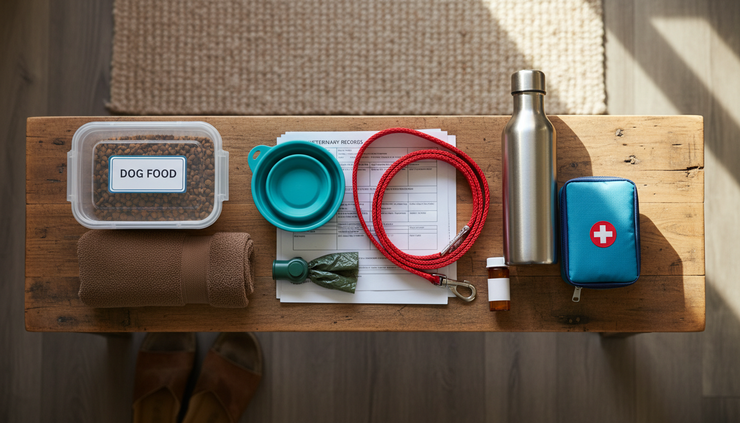
Keep a grab-and-go bag with:
Food for several days
Water
Bowls
Medications
Leash and backup leash
Waste bags
Blanket or towel
Recent photo
Vaccine records
Comfort toy
Cleaning wipes
If your dog uses prescription food or medication, refill before you run completely out.
Which internal links can help you keep learning?
Here are five helpful internal link ideas to add on PetstoreForYou.com so readers can move naturally from planning to shopping and care education:
What should you review as your dog grows and changes?
Your checklist should change as your dog changes. A new puppy may need potty training tools and teething chews. An adult dog may need more exercise structure. A senior dog may need joint support, easier bedding, and more frequent health checks.
Review your setup when:
Your dog changes life stage
Your dog gains or loses weight
You move homes
Your schedule changes
You add another pet
Your dog develops a health condition
Your dog becomes fearful, reactive, or less active
Your veterinarian recommends a care change
A good checklist is not about buying everything. It is about noticing what your dog needs now.
What are common dog care mistakes to avoid?
Even caring owners miss simple things. Watch for these common problems.
What buying mistakes should you avoid?
Avoid buying:
A collar your puppy will outgrow in a week
Toys that are too small and can be swallowed
A crate that is too large for potty training without a divider
Food based only on packaging claims
Treats that make up too much of the diet
Grooming tools that do not match your dog’s coat
Retractable leashes for crowded training walks
Fit, safety, and usefulness matter more than appearance.
What routine mistakes should you avoid?
Watch out for:
Skipping daily walks because the yard seems enough
Waiting too long between potty breaks
Ignoring small behavior changes
Letting nails become overgrown
Forgetting dental care
Leaving chews or toys out after they break
Missing prevention doses
Changing food too quickly
Your dog’s routine does not have to be perfect. It needs to be steady, safe, and adjusted when your dog shows you something is not working.
What questions do dog owners often ask?
What is the most important thing on a dog care checklist?
The most important items are food, water, safe shelter, identification, leash control, veterinary care, and a predictable routine. These cover your dog’s basic safety and health needs.
What should I buy before bringing a dog home?
Buy a collar or harness, ID tag, leash, food, bowls, bed or crate, waste bags, treats, toys, and cleaning supplies. Schedule a vet visit as soon as you can.
How often should I walk my dog?
Most dogs need at least daily outdoor time, but the amount depends on age, breed, health, and energy level. Some dogs need several walks plus play and training.
Do dogs need a crate?
Not every dog needs a crate forever, but many dogs benefit from crate training. A crate can help with safety, travel, rest, and house training when introduced kindly.
How often should I groom my dog?
That depends on coat type. Long or curly coats may need brushing several times a week or daily. Short coats may need weekly brushing and regular nail, ear, and skin checks.
How do I know if my dog is sick?
Watch for changes in appetite, drinking, bathroom habits, energy, breathing, movement, mood, or behavior. Call your veterinarian if changes are sudden, severe, or do not improve.
What should be in a dog first-aid kit?
Include gauze, bandage supplies, gloves, saline rinse, tweezers, tick remover, a thermometer, a towel, medical records, and emergency contact numbers.
How do I make a dog routine easier?
Anchor care tasks to habits you already have. Feed after your morning routine, walk after work, brush your dog on the same evening each week, and keep supplies where you use them.
What dog supplies are worth buying first?
The best first buys are the items your dog uses daily, including food, bowls, leash, collar or harness, ID tag, bed or crate, waste bags, treats, and safe toys.
Can I use this checklist for a puppy?
Yes, but puppies need more potty breaks, more frequent meals, teething-safe chews, socialization, and closer supervision. Ask your veterinarian about vaccines and safe public outings.
How should you use this dog care checklist from here?
Use this dog care checklist as your starting point, then shape it around your dog’s age, health, size, coat, behavior, and daily schedule. Buy the safety and daily-care supplies first, build a repeatable routine, and review your checklist whenever your dog’s needs change.
The best care is steady care. When your dog has clean water, good food, safe walks, regular vet support, kind training, grooming, rest, and your attention, you have the foundation that matters most.


Comments